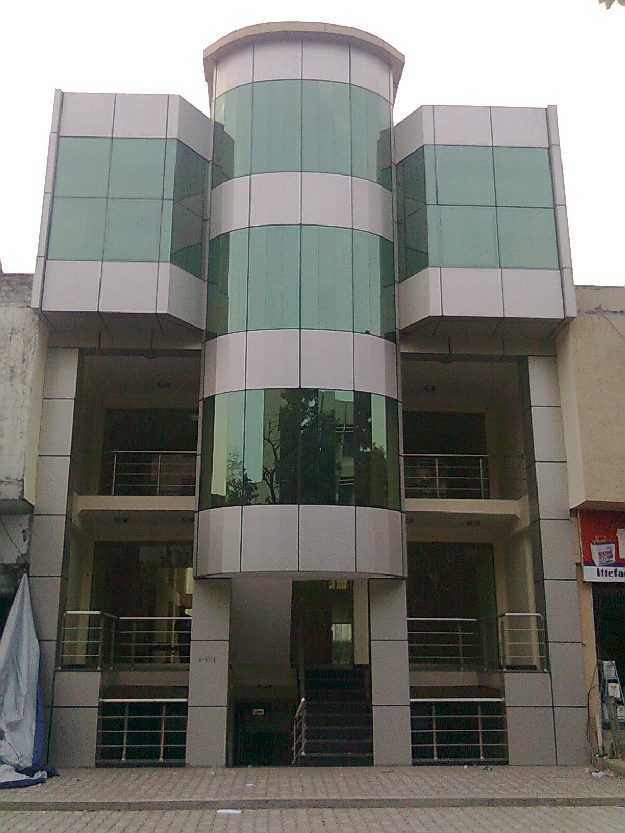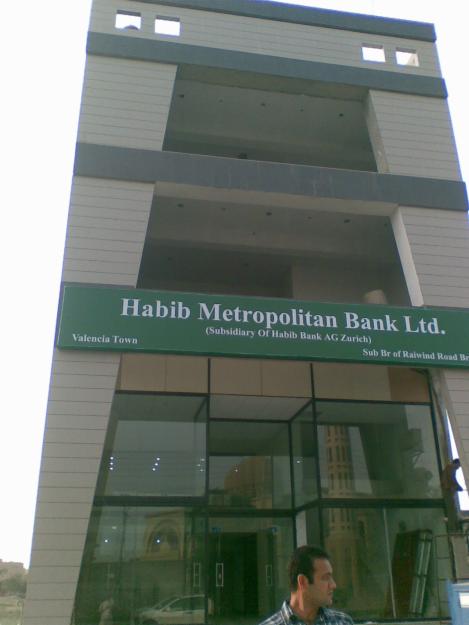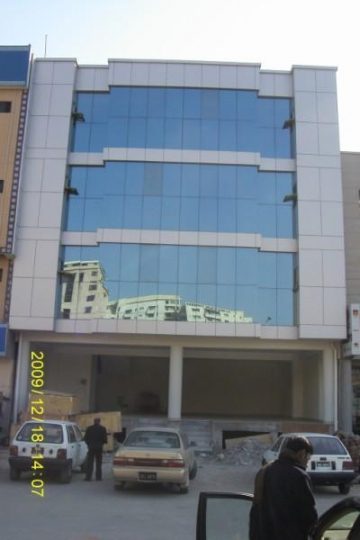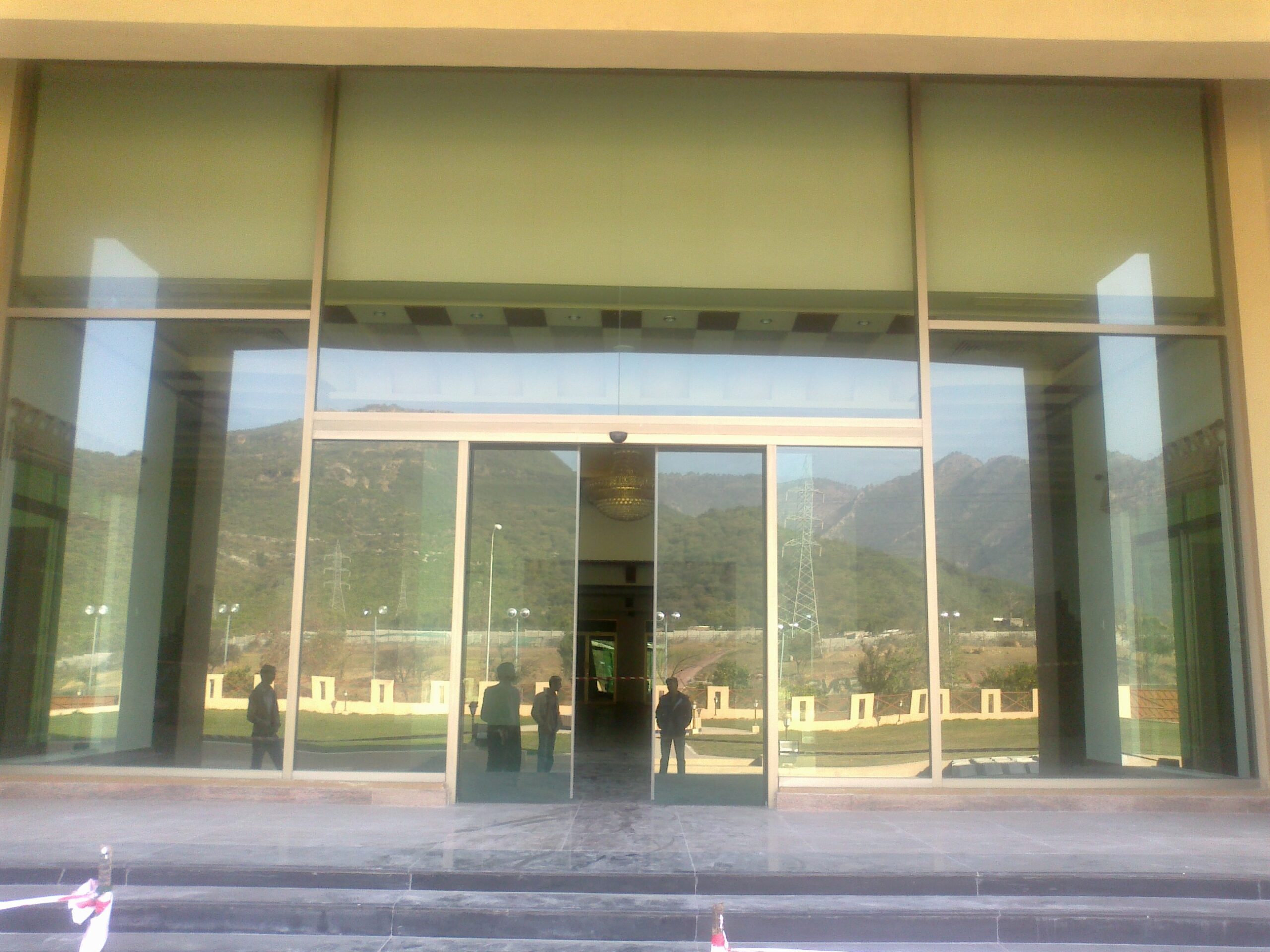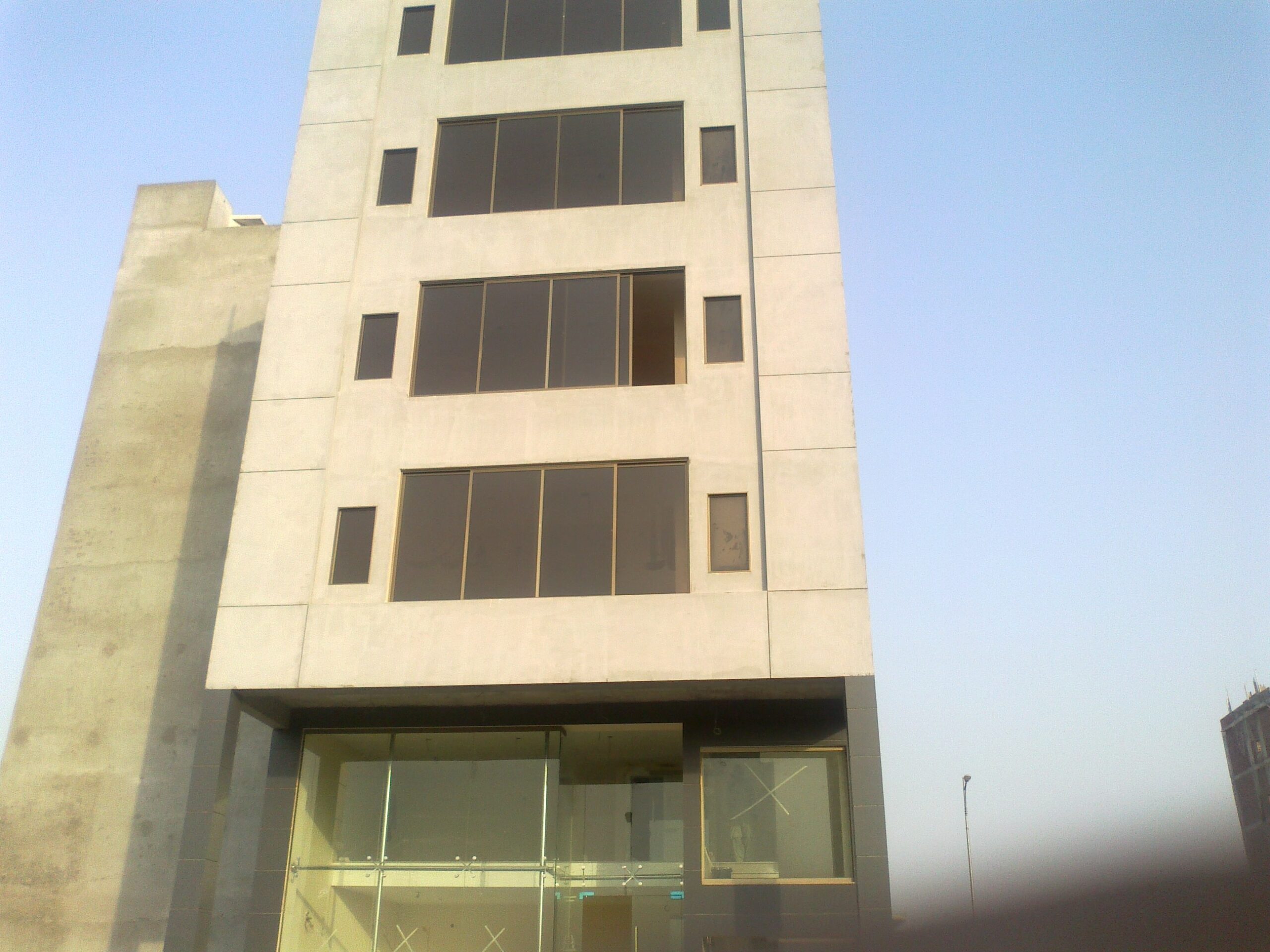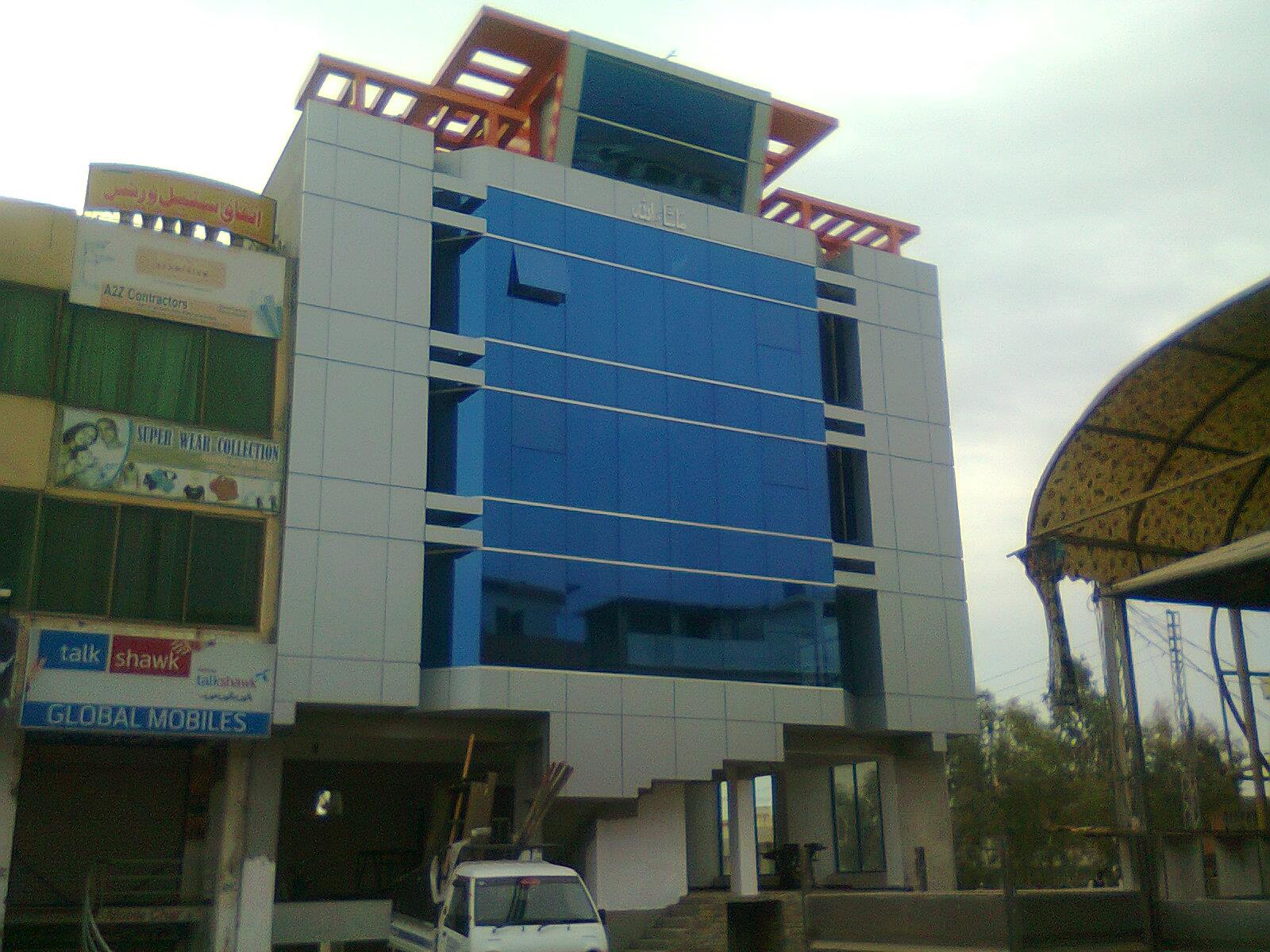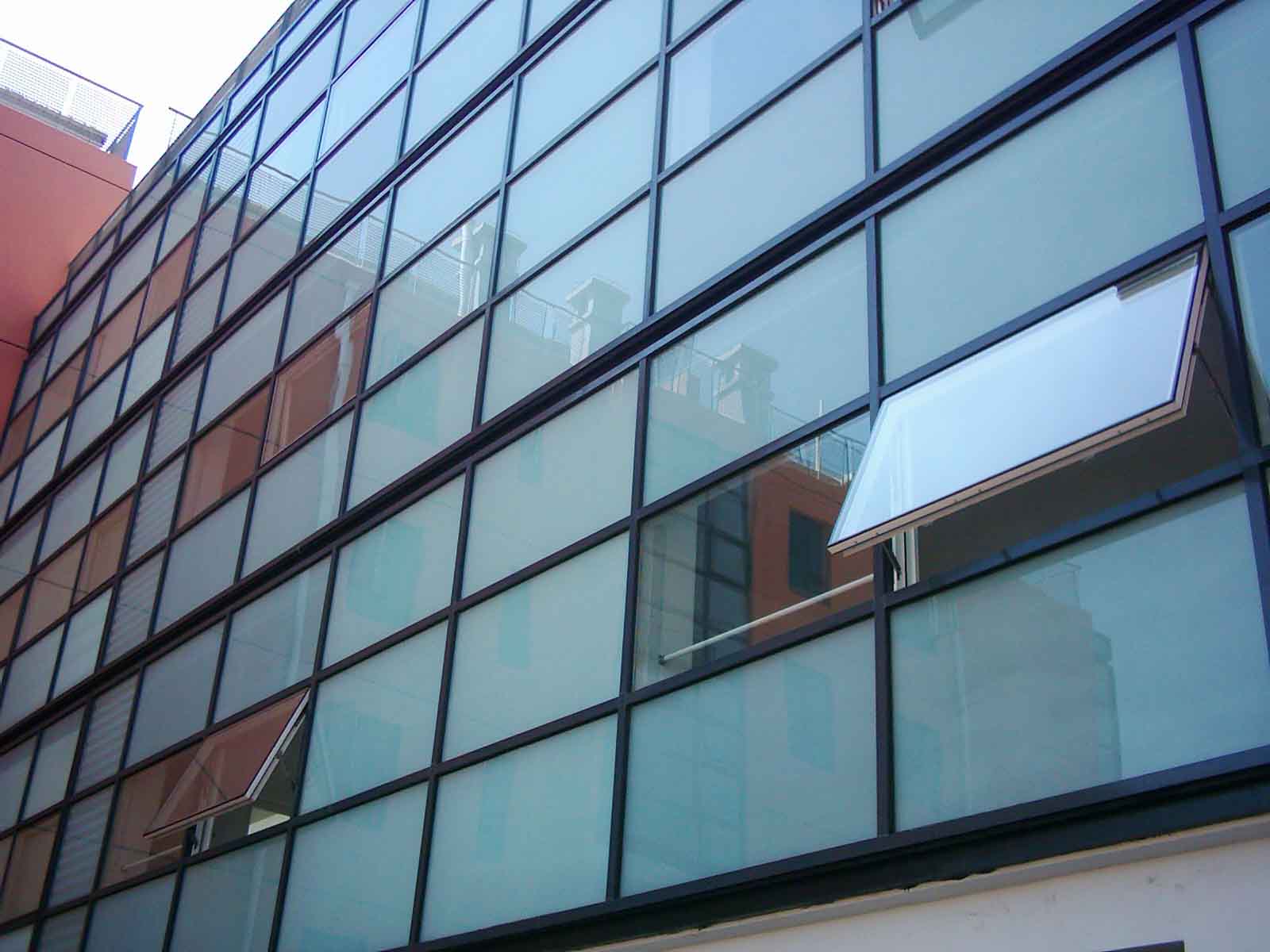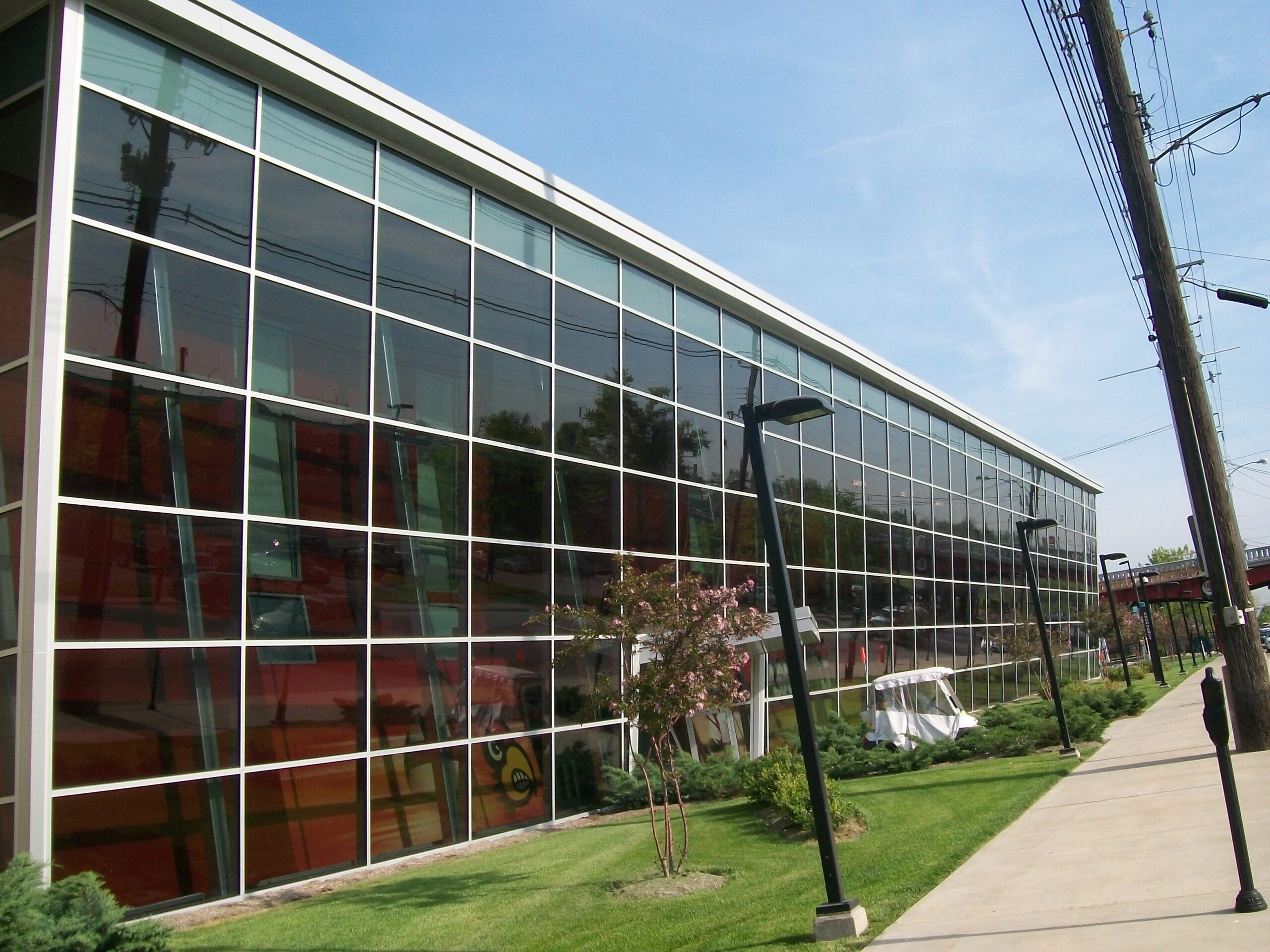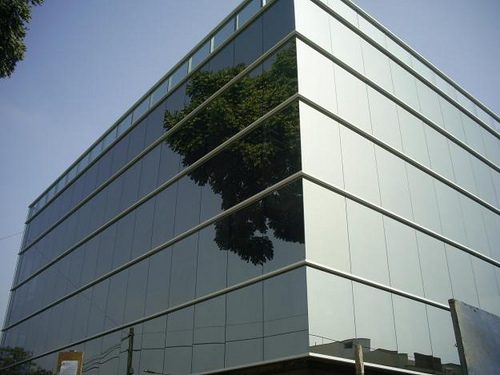

A curtain wall system is a lightweight exterior wall attached to a building’s structural frame. The system does not carry structural loads from floors or roofs. It only supports its own weight and transfers wind pressure to the building structure.
Most modern curtain walls use aluminium frames and large glass panels. These materials provide strength, transparency, and weather protection.
Key features of a curtain wall system include:
Aluminium frame structure
Glass or metal infill panels
Thermal insulation components
Weather sealing gaskets
Structural anchors to building slabs
Architects often choose structural curtain wall systems because they create sleek, modern building exteriors while improving natural light penetration.
In Lahore’s commercial architecture, curtain walls appear on:
Office towers
Shopping malls
Hotels
Hospitals
Corporate headquarters
These systems improve both aesthetics and environmental performance.
Aluminium curtain walls dominate modern construction because aluminium offers structural strength, corrosion resistance, and design flexibility.
An aluminium facade curtain wall performs efficiently in Lahore’s climate conditions, which include heat, dust, and seasonal rain.
Important advantages include:
Aluminium provides high strength with low weight. Engineers easily support large glass panels without adding heavy loads to the building structure.
Aluminium resists rust and oxidation. Powder coating or anodizing adds additional protection against environmental exposure.
Aluminium profiles allow architects to design complex facades including:
curved glass exteriors
multi-story glazing
large transparent panels
Modern aluminium glazing systems integrate thermal breaks and insulated glass units. These features reduce heat transfer and improve energy efficiency.
Properly installed curtain walls can last 30–50 years with minimal maintenance.
These benefits make aluminium curtain wall systems a preferred façade solution for commercial buildings in Lahore.
Commercial curtain wall contractors install several types of curtain wall systems depending on project requirements, building height, and design complexity.
The stick system assembles frame components on site. Installers fix vertical mullions and horizontal transoms to the building structure and then install glass panels.
Characteristics:
cost-effective
suitable for low-rise or mid-rise buildings
flexible during installation
Stick systems remain common for commercial curtain wall installation in smaller office buildings.
A unitized curtain wall consists of large prefabricated panels manufactured in factories. Workers install the panels directly onto the building structure.
Advantages include:
faster installation
improved quality control
better weather sealing
Unitized systems suit high rise glass curtain wall projects where speed and accuracy matter.
Structural glazing systems attach glass panels directly to structural frames using silicone sealants or mechanical anchors.
Key features include:
minimal visible framing
smooth glass façade
modern architectural appearance
Many luxury commercial buildings in Lahore prefer structural glazing for contemporary design.
Structural glazing is a glass installation method where glass panels attach to aluminium frames using structural silicone adhesives or concealed mechanical supports.
The technique creates continuous glass facades without visible external framing.
Structural glazing systems include:
two-side structural glazing
four-side structural glazing
point-supported glass systems
Four-side structural glazing supports glass on all edges using structural silicone. This design allows maximum transparency and modern aesthetics.
Developers often combine structural glazing systems with aluminium curtain walls to create strong and visually appealing building exteriors.
Professional building curtain wall contractors follow a systematic installation process to ensure structural safety and long-term performance.
Engineers evaluate:
building structure
wind load requirements
thermal performance
façade geometry
Specialized software models the curtain wall system to ensure compliance with engineering standards.
Manufacturers produce aluminium profiles using extrusion processes. Factories then cut, machine, and assemble components based on project specifications.
Powder coating or anodizing finishes protect aluminium surfaces.
High-performance glass panels are manufactured with:
tempered glass
laminated safety glass
double glazed units (DGU)
These glass types improve safety, insulation, and acoustic performance.
Contractors transport curtain wall components to the construction site. Installation teams prepare building slabs and anchor points.
Workers install vertical mullions and horizontal transoms onto structural slabs. Engineers align frames precisely to maintain façade geometry.
Technicians place glass panels into aluminium frames or structural glazing systems. They secure panels using silicone sealants, gaskets, or mechanical anchors.
Weather seals prevent water infiltration and air leakage. Proper sealing ensures long-term durability and thermal efficiency.
Professional glass curtain wall installation in Lahore ensures safe façade performance for decades.
High-rise buildings require façade systems that resist wind pressure while maintaining architectural beauty.
High rise glass curtain wall systems appear in several types of developments:
corporate office towers
luxury residential skyscrapers
shopping malls
hotels
airports
Glass curtain walls enhance building appearance while maximizing natural daylight.
Natural light reduces energy consumption by lowering artificial lighting demand.
Developers also integrate solar control glass to reduce heat gain while preserving transparency.
Businesses and developers benefit from curtain wall systems because they combine performance, design flexibility, and long-term durability.
Glass curtain walls create sleek and modern architectural facades. Transparent exteriors reflect surrounding environments and improve visual appeal.
Large glass surfaces allow daylight to enter interior spaces. Offices benefit from improved lighting and better employee comfort.
Curtain walls shield buildings from:
rain
wind
dust
temperature fluctuations
Weather protection improves building lifespan.
Modern aluminium glazing systems include insulated glass units and thermal breaks. These components reduce energy consumption for heating and cooling.
Curtain wall systems require minimal maintenance compared to traditional masonry walls. Periodic cleaning and seal inspections maintain performance.
Selecting experienced building curtain wall contractors ensures proper design, engineering, and installation.
Consider these factors before hiring a contractor.
Contractors must demonstrate expertise in high rise glass curtain wall installation. Tall buildings require advanced engineering and safety practices.
Professional contractors provide in-house design teams that produce detailed façade drawings and structural calculations.
Reliable contractors use certified aluminium profiles, structural silicone, and high-performance glass systems.
Curtain wall systems must comply with international building standards including wind load testing and water penetration resistance.
A strong portfolio of commercial buildings demonstrates technical expertise and installation quality.
Working with experienced commercial curtain wall installation specialists ensures long-lasting building envelopes.
Urban development in Lahore continues to grow rapidly. Developers increasingly adopt aluminium facade curtain wall systems for modern commercial architecture.
Emerging façade technologies include:
energy-efficient double glazing
smart glass technology
photovoltaic glass panels
ventilated curtain wall systems
These innovations improve sustainability and reduce building energy consumption.
Architects combine structural glazing systems with advanced aluminium glazing technologies to create intelligent building façades.
As construction standards evolve, curtain wall systems will remain a key feature of modern city skylines.