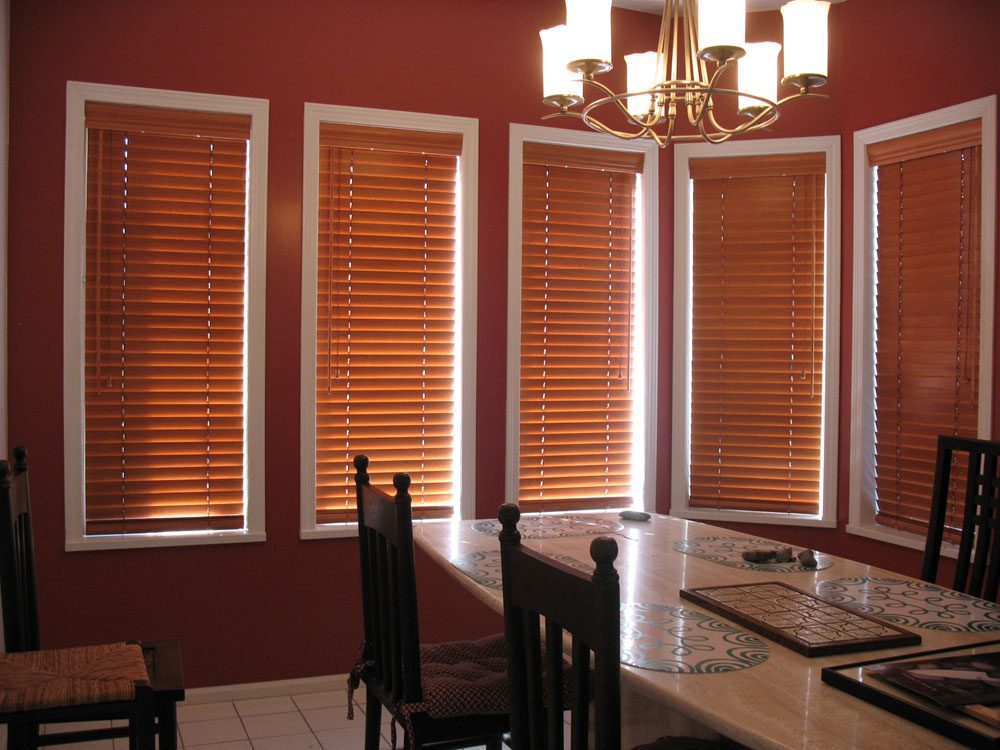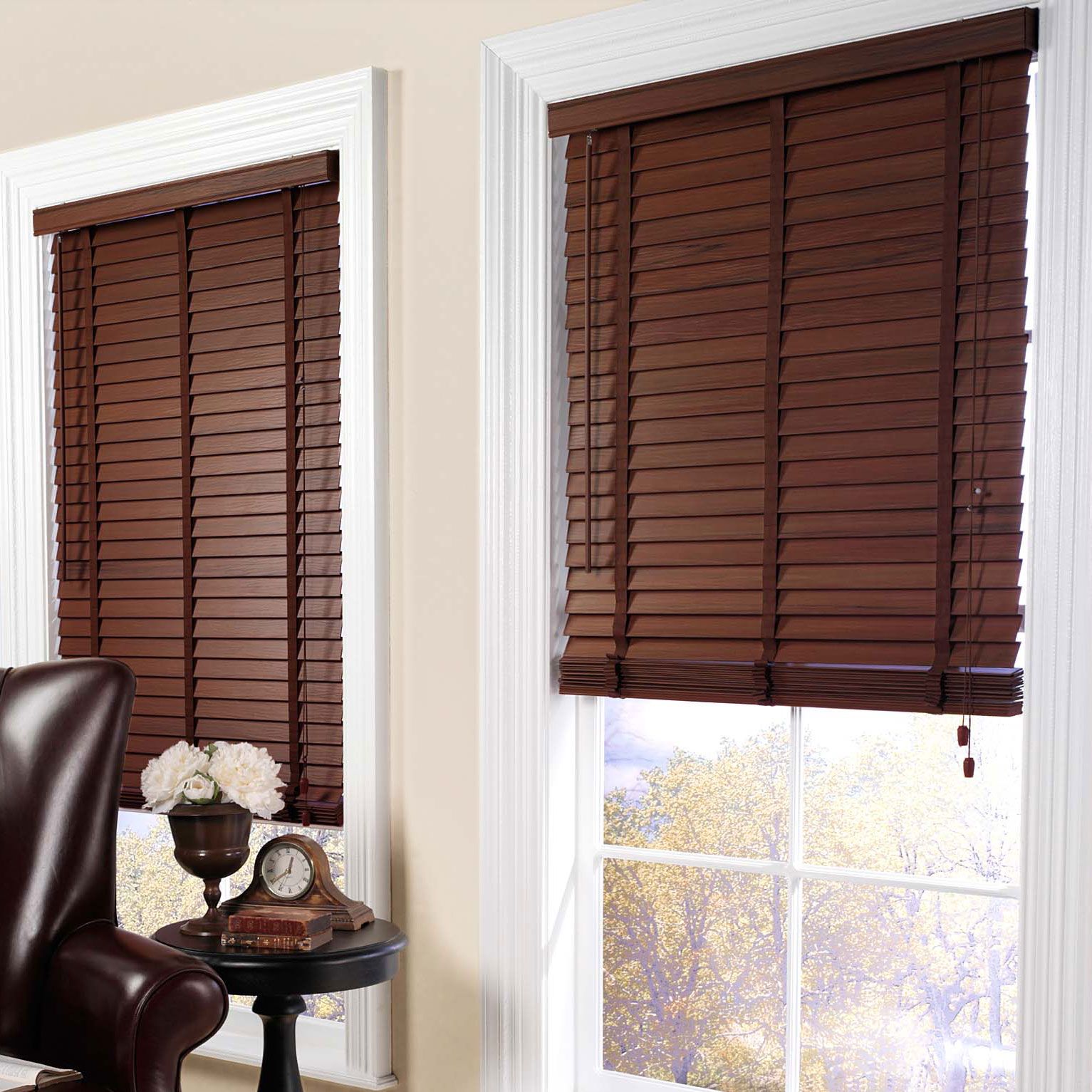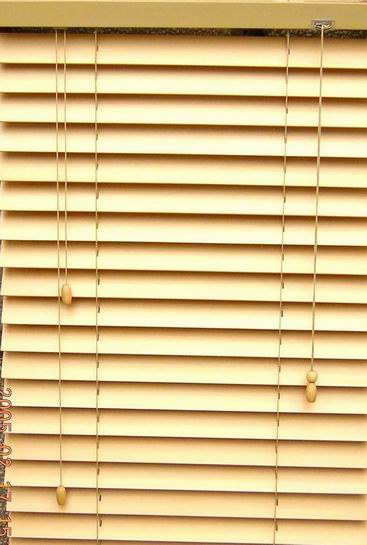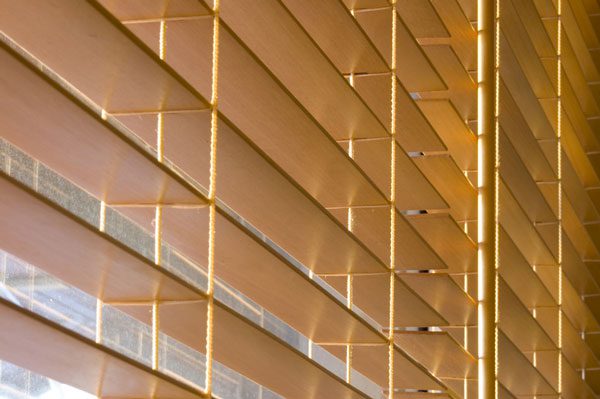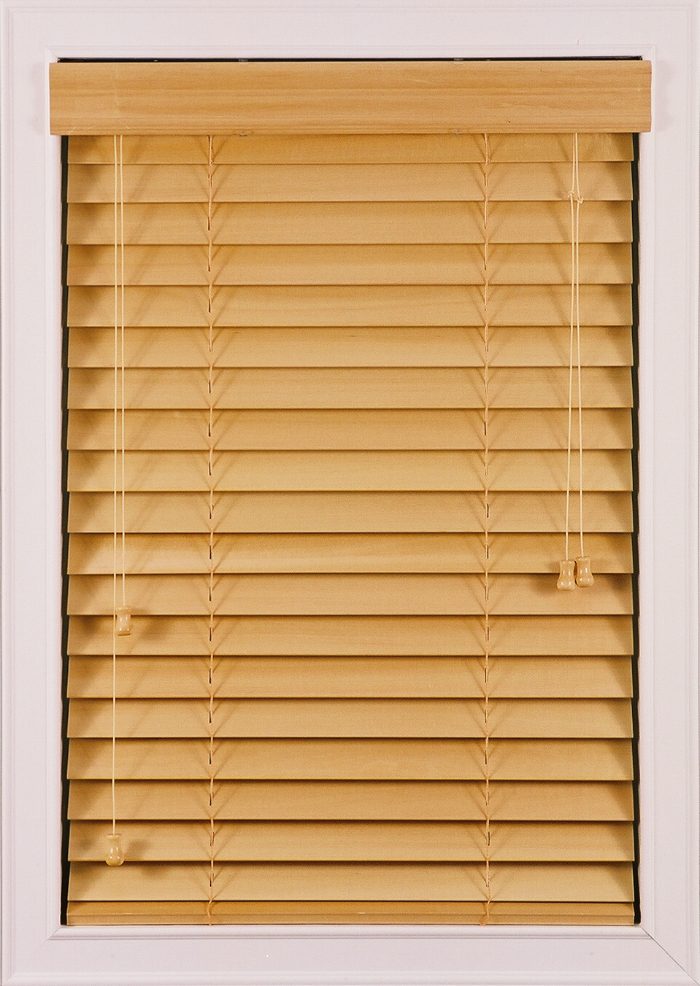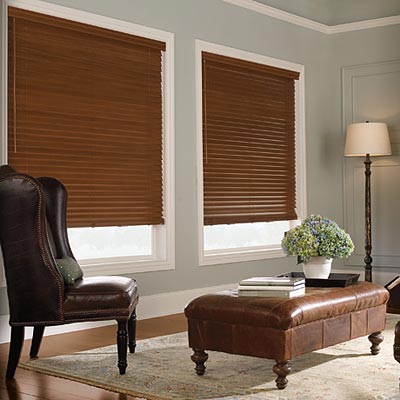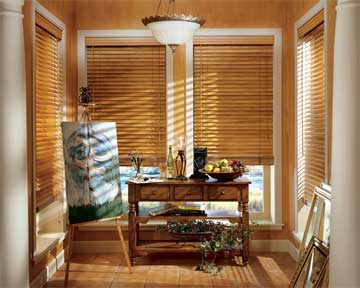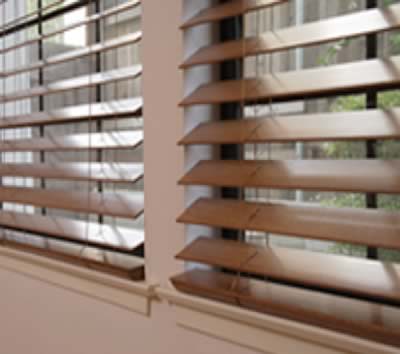
Wooden blinds in Lahore combine functional window control with premium interior aesthetics. Interior architects and homeowners install wood blinds to improve comfort and decorative value.
Natural wood textures add warmth to indoor spaces. Natural wood window blinds complement furniture, wooden floors, and decorative wall finishes.
Horizontal wooden slats allow precise control of sunlight. Users tilt slats partially or fully to adjust brightness.
High-quality hardwood blinds last many years when maintained properly. Wood slats resist bending and provide stable operation.
Wood blinds provide full privacy when slats close completely. This feature suits bedrooms, offices, and street-facing windows.
Many designers install luxury wooden blinds because natural materials create high-end visual environments.
These advantages explain why wooden blinds remain a preferred window treatment in Lahore residential and commercial projects.
The next section discusses common types of wooden blinds.
Different wooden venetian blinds styles serve different architectural and interior design needs.
Natural hardwood blinds use solid wood slats. Basswood remains one of the most common materials because it provides durability and smooth finishing.
Features include:
rich wood texture
long lifespan
premium interior appearance
Faux wood blinds consist of composite materials that replicate natural wood patterns.
Benefits include:
resistance to moisture
lower cost
easy maintenance
Bathrooms and kitchens often use faux wood blinds due to humidity resistance.
Bamboo blinds use woven natural bamboo strips instead of solid wood slats. These blinds create organic interior aesthetics.
Interior designers install bamboo window wooden shades for eco-friendly home environments.
Modern homes sometimes integrate motorized wood blinds connected to smart home systems.
Advantages include:
remote control operation
automated light adjustment
integration with smart home technology
These systems represent the evolution of modern wood blinds in contemporary homes.
The next section explains how wooden blinds improve interior design.
Interior wooden blinds design enhances visual balance and natural texture inside rooms. Designers select wooden blinds to complement furniture, flooring, and wall finishes.
Living rooms benefit from luxury wooden blinds because natural wood tones match sofas, tables, and decorative elements.
Wide wooden slats create elegant light patterns across interior surfaces.
Bedrooms require privacy and adjustable lighting. Wooden venetian blinds allow users to control early morning sunlight.
Soft wood tones also create relaxing environments.
Corporate offices install modern wood blinds to create professional interiors.
Wood blinds maintain a clean appearance while reducing glare on computer screens.
Restaurants and hotels often choose natural wood window blinds to create warm and welcoming atmospheres.
Wood textures improve customer comfort and enhance visual identity.
Interior designers often combine wood blinds with curtains or valances to create layered window designs.
The next section describes installation procedures.
Professional wooden blinds installation in Lahore ensures proper fit, stable operation, and long-term durability.
Technicians measure window width and height accurately. Correct measurement ensures blinds fit inside or outside window frames.
Customers choose wood type, slat width, color finish, and control mechanism.
Popular slat sizes include:
25 mm slats
35 mm slats
50 mm slats
Wider slats provide modern appearance and improved light control.
Installers attach mounting brackets to the wall, ceiling, or window frame.
Proper bracket alignment supports the headrail securely.
Technicians place the headrail into brackets and lock it securely.
The headrail houses the tilt and lift mechanisms.
Installers test the tilt rod and lift cord to confirm smooth operation.
Professional installation ensures wooden blinds operate safely and efficiently.
The following section explains how wooden blinds control sunlight.
Wooden venetian blinds allow precise sunlight regulation through adjustable slats. Users control brightness without fully blocking natural light.
The tilt mechanism rotates wooden slats to regulate sunlight direction.
Wooden blinds minimize glare on televisions, computers, and reflective surfaces.
Users maintain daylight visibility while protecting interior furniture from excessive sunlight.
Closed slats block direct sunlight and reduce interior heat gain during summer.
These features make window wooden shades practical for both residential and commercial spaces.
The next section explains maintenance and cleaning.
Proper maintenance increases the lifespan of wood window blinds in Lahore.
Dust accumulates on wooden slats over time. Soft microfiber cloths or feather dusters remove dust effectively.
Water exposure may damage natural wood surfaces. Clean slats with dry or slightly damp cloths only.
Users should check:
lift cords
tilt mechanisms
mounting brackets
Early detection prevents operational issues.
Manufacturers apply protective coatings that resist fading and surface damage.
Proper maintenance keeps luxury wooden blinds visually appealing for many years.
The next section explains why homeowners choose wooden blinds.
Wood blinds provide multiple functional and aesthetic advantages.
Wood provides organic textures that synthetic materials cannot replicate.
High-quality hardwood blinds often last 10 to 15 years or longer with proper care.
Wood blinds match various interior styles including:
modern interiors
classic home décor
rustic architecture
luxury apartment design
Horizontal slats allow precise sunlight regulation.
Homes with interior wooden blinds design often appear more elegant and attractive to buyers.
These advantages make wooden blinds a preferred window treatment solution.
The following section addresses frequently asked questions.