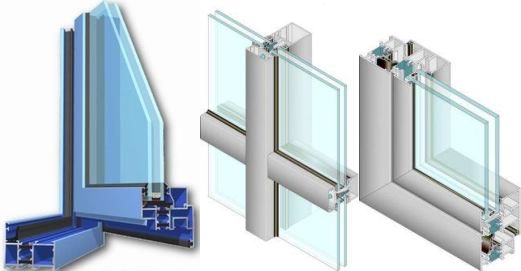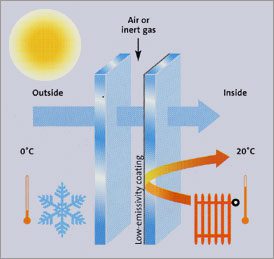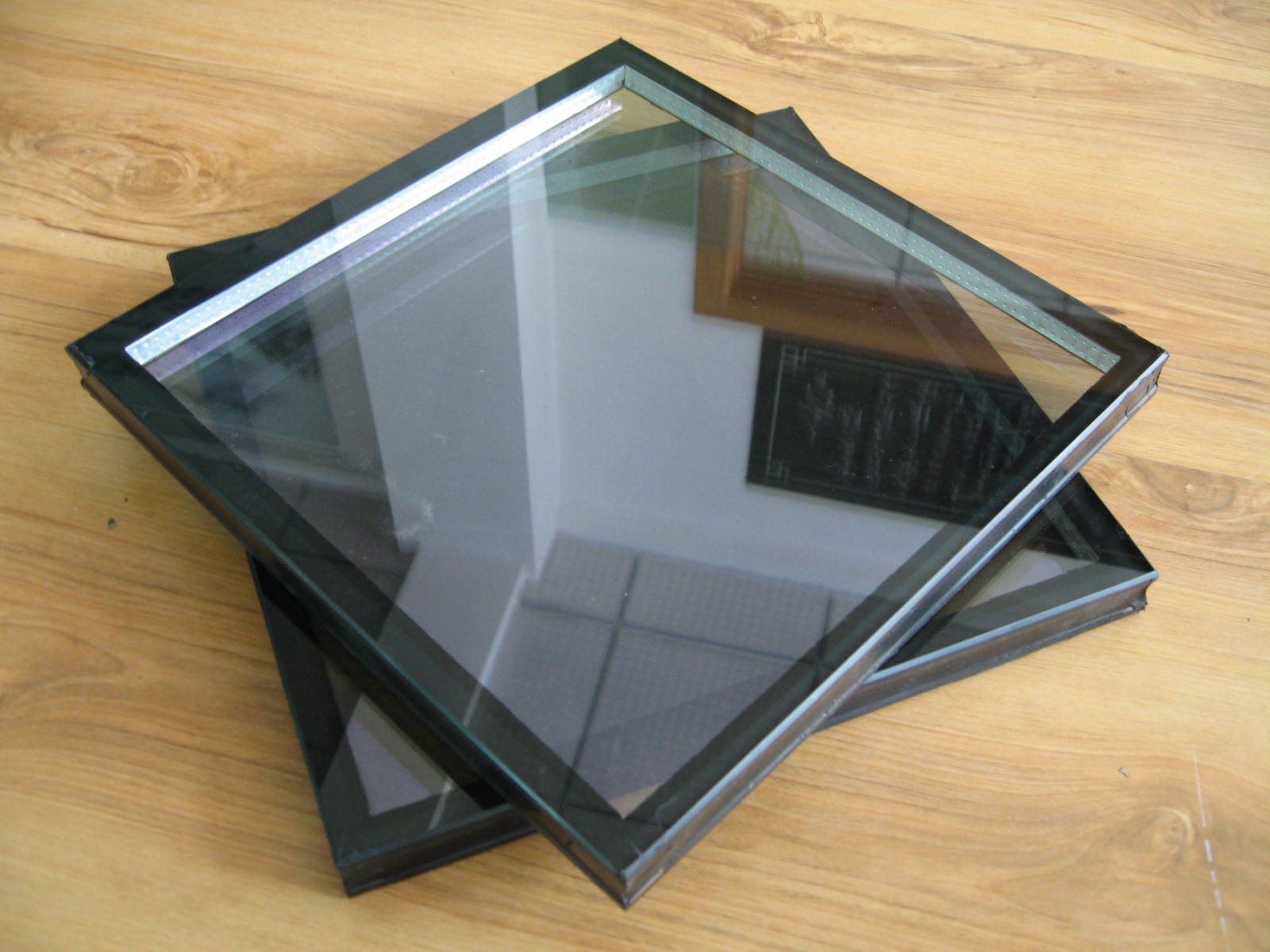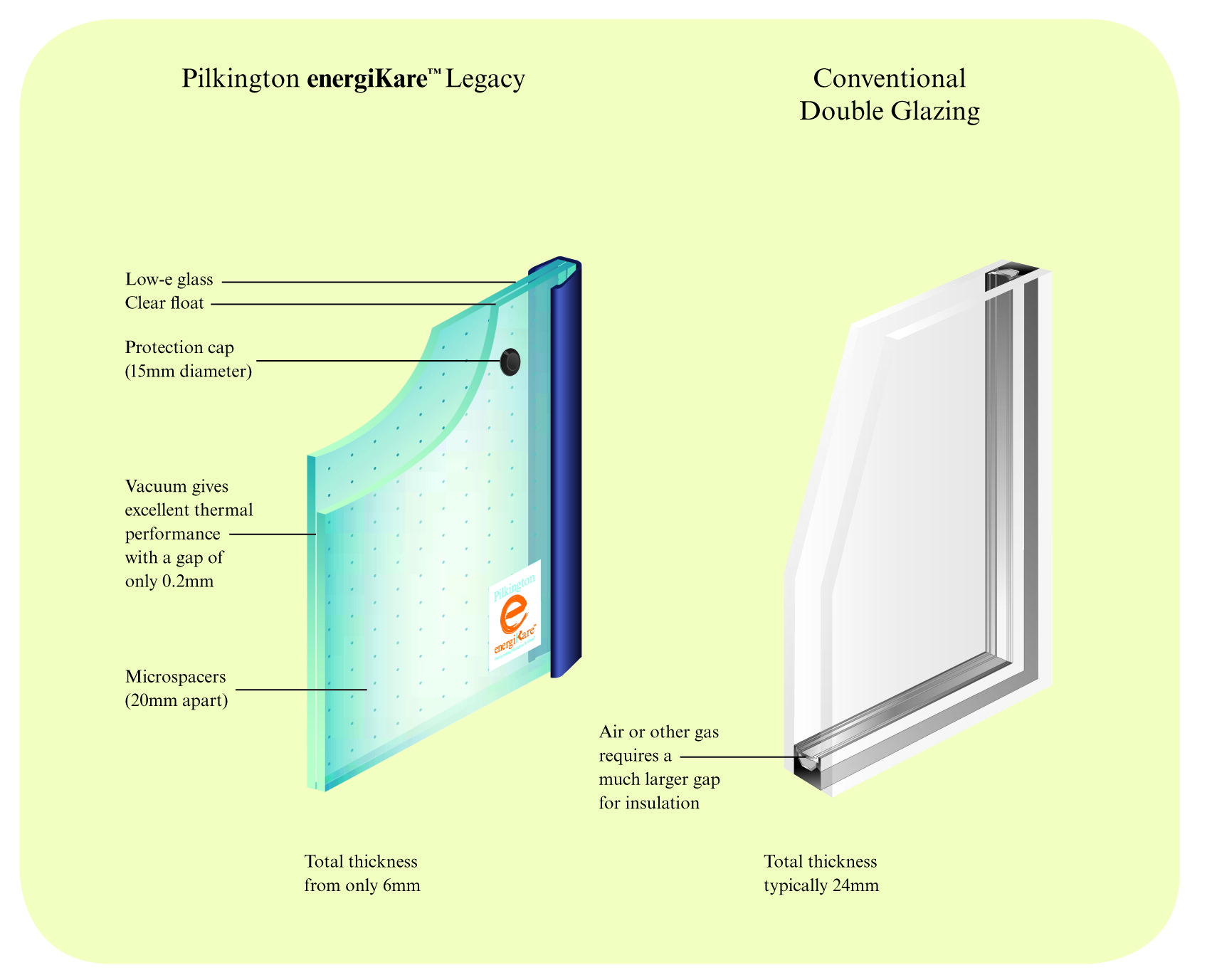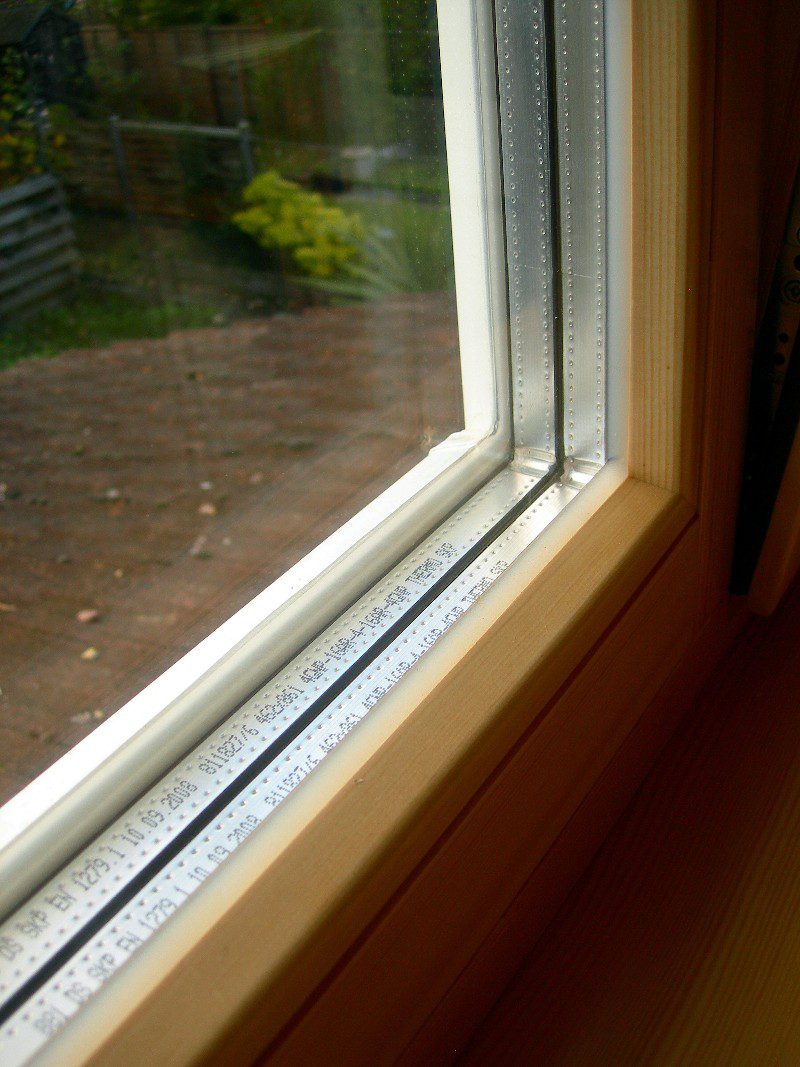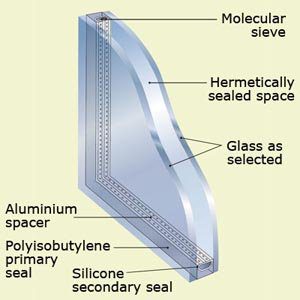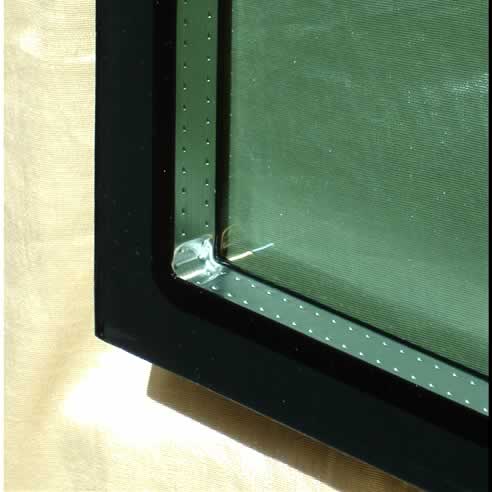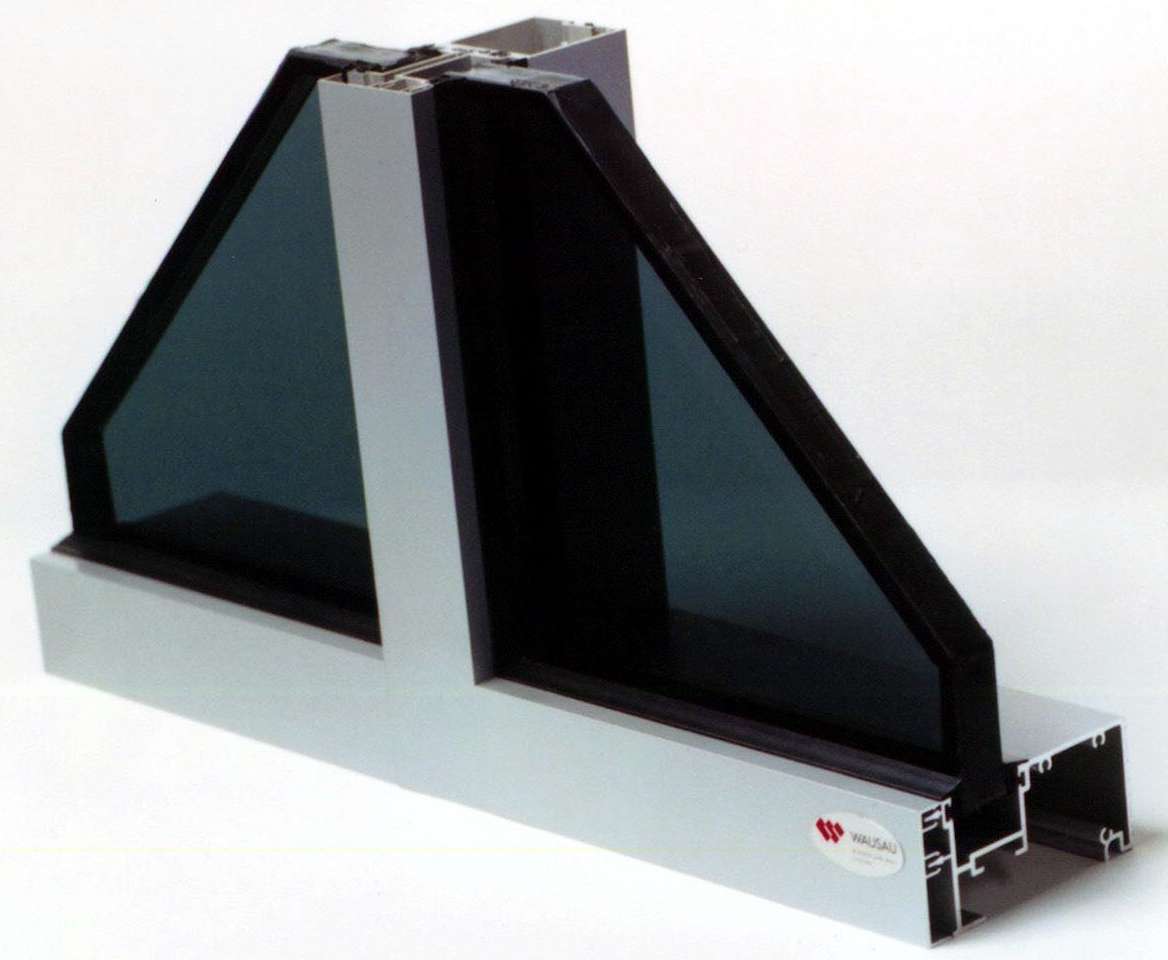

Double glazed glass is an insulated glass unit consisting of two glass panes separated by a spacer and sealed air gap. The sealed gap contains air or inert gas such as argon to improve insulation.
The design reduces heat conduction and external noise penetration.
Double glazing systems contain several essential components:
Two glass panels
Aluminium or warm-edge spacer
Sealed air or argon gas layer
Butyl and silicone sealants
Desiccant material inside the spacer
The spacer maintains consistent distance between the panes. Desiccants absorb moisture to prevent fogging inside the unit.
This construction forms thermal insulation glass that stabilizes indoor temperature.
Residential homes, commercial offices, and shopping centers in Lahore install insulated window glass to improve energy performance.
The following section explains why double glazing has become popular in Lahore.
Double glazing glass in Lahore improves building comfort while lowering energy consumption. Lahore experiences hot summers, moderate winters, and urban noise pollution. Double glazed glass helps control these environmental conditions.
Double glazed glass reduces heat transfer between indoor and outdoor environments. The insulating air or gas layer slows thermal movement.
Buildings remain cooler during summer and warmer during winter.
Urban areas produce traffic, construction, and street noise. Soundproof double glazed glass reduces external noise levels significantly.
The dual glass layers block sound vibrations and improve indoor quietness.
Energy efficient glass windows reduce reliance on air conditioning and heating systems. Reduced electricity consumption lowers monthly utility costs.
Energy-efficient buildings also meet modern environmental standards.
Double glazing minimizes condensation on interior glass surfaces. The insulated design maintains interior glass temperature above dew point levels.
Homes and offices equipped with insulated glass units in Lahore attract buyers and tenants because they offer better comfort and energy savings.
The next section describes the types of double glazed glass used in modern buildings.
Construction projects use different types of insulated glass units depending on building requirements, climate conditions, and design preferences.
Standard IGUs use two clear glass panels separated by an air-filled cavity. These units provide basic insulation and noise reduction.
Residential homes commonly install this system.
Manufacturers fill the space between glass panes with argon gas instead of air.
Argon improves insulation because it transfers heat slower than air. Buildings using argon-filled units achieve better thermal efficiency.
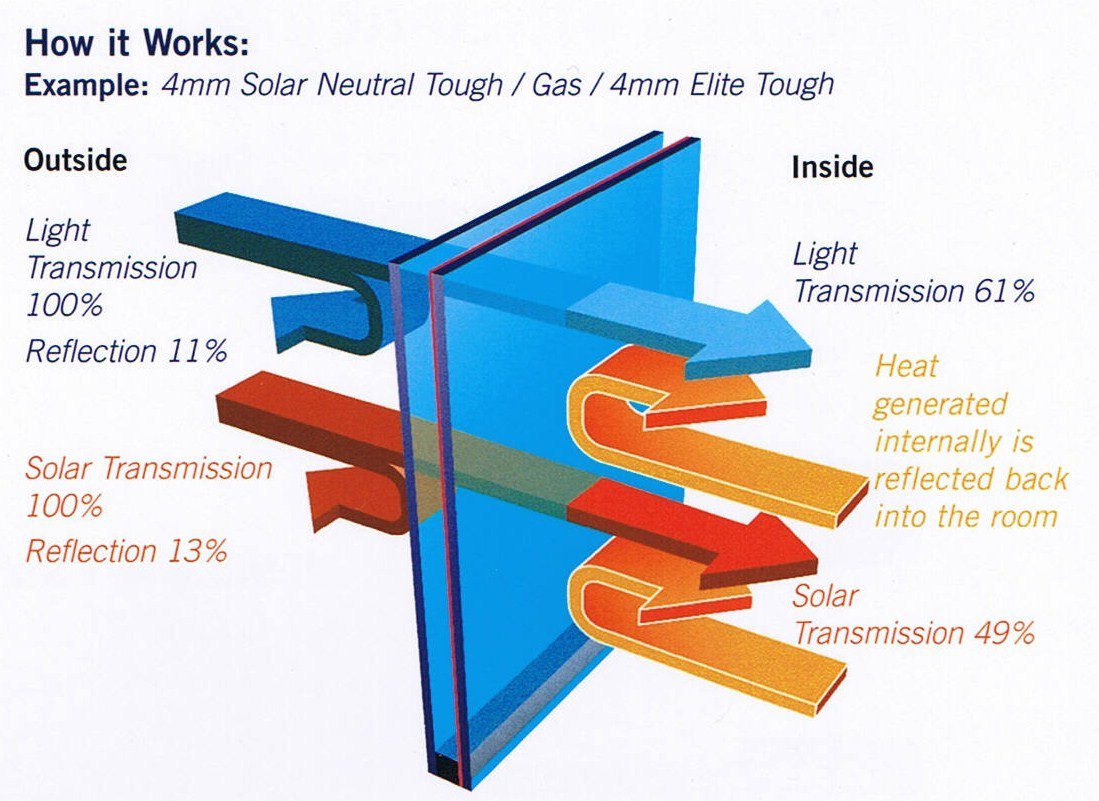
Low-emissivity (Low-E) glass includes a thin metallic coating that reflects heat.
Benefits include:
reduced solar heat gain
improved indoor temperature control
increased energy efficiency
Many energy efficient glass windows use Low-E coatings to improve insulation performance.
Laminated glass includes a plastic interlayer between two glass sheets. When combined with double glazing, the system improves security and sound insulation.
Commercial buildings often install laminated double glazing for safety and acoustic performance.
Tinted glass reduces sunlight glare and solar heat gain. Offices, shopping centers, and high-rise buildings often use tinted double glazed units.
Different colors such as grey, bronze, and green provide aesthetic and functional benefits.
The following section explains the installation process for double glazing systems.
Professional double glazing glass installation requires precision engineering and proper sealing techniques. Skilled installers follow a structured process to ensure long-term performance.
Technicians measure window frames and determine the required glass dimensions. Accurate measurement ensures proper fitting and sealing.
Architects also select glass type based on insulation, safety, and design requirements.
Glass manufacturers produce insulated glass units in controlled factory environments.
Production steps include:
cutting glass panels
installing spacers
filling gas cavities
sealing the unit edges
Quality control ensures airtight sealing.
Installers prepare aluminium, uPVC, or wooden window frames before installing insulated glass units.
Proper frame alignment ensures structural stability and weather resistance.
Technicians carefully place insulated window glass into window frames. Rubber gaskets and silicone sealants secure the glass and prevent air leakage.
Installers check sealing points and verify alignment. Proper sealing prevents moisture infiltration and maintains insulation performance.
Professional double glazing glass installation in Lahore ensures durability and energy efficiency.
The next section explains how double glazing improves sound insulation.
Urban environments produce continuous noise from traffic, machinery, and construction. Soundproof double glazed glass reduces noise transmission by using dual glass layers and an insulating cavity.
Sound waves lose energy while passing through multiple glass surfaces and the air gap.
Several design factors influence soundproof performance:
thicker glass panels
wider air gap between panes
laminated glass layers
airtight sealing
Buildings near highways or commercial districts benefit from enhanced acoustic insulation.
Hospitals, offices, and residential apartments often install soundproof double glazed glass to create quieter indoor environments.
The next section discusses energy efficiency advantages.
Energy efficient glass windows reduce heating and cooling energy demand. Double glazing achieves this performance by limiting thermal transfer between indoor and outdoor environments.
During winter, indoor heat remains inside because the insulated cavity slows thermal escape.
During summer, double glazing reflects or absorbs solar radiation depending on glass coatings.
Temperature stability reduces hot or cold spots near windows.
Reduced reliance on HVAC systems lowers energy bills for homes and commercial buildings.
Many modern construction standards require thermal insulation glass to improve building energy performance.
The next section explains price factors for double glazed glass.
The double glazed glass price in Lahore depends on several technical and market factors.
Thicker glass panels increase strength and sound insulation but also increase cost.
Low-E glass, laminated glass, and argon-filled units cost more than standard double glazing.
Frames made from aluminium, uPVC, or wood influence overall installation cost.
Large windows and commercial installations require more materials and labor.
High-rise buildings or custom architectural designs increase installation difficulty.
Property owners should consult professional insulated glass unit suppliers in Lahore for accurate price estimates.
The following section discusses common applications of double glazed glass.
Double glazing systems serve various residential and commercial applications.
Homeowners install insulated window glass to improve comfort, reduce noise, and lower electricity bills.
Corporate offices use energy efficient glass windows to maintain consistent indoor temperatures and reduce HVAC costs.
Large commercial complexes require insulated glass to maintain climate control across large spaces.
Hotels use soundproof double glazing to ensure guest comfort by reducing external noise.
Schools and hospitals require quiet indoor environments. Double glazing supports acoustic insulation and temperature stability.
Modern architecture increasingly relies on double glazing glass Lahore solutions to enhance building performance.