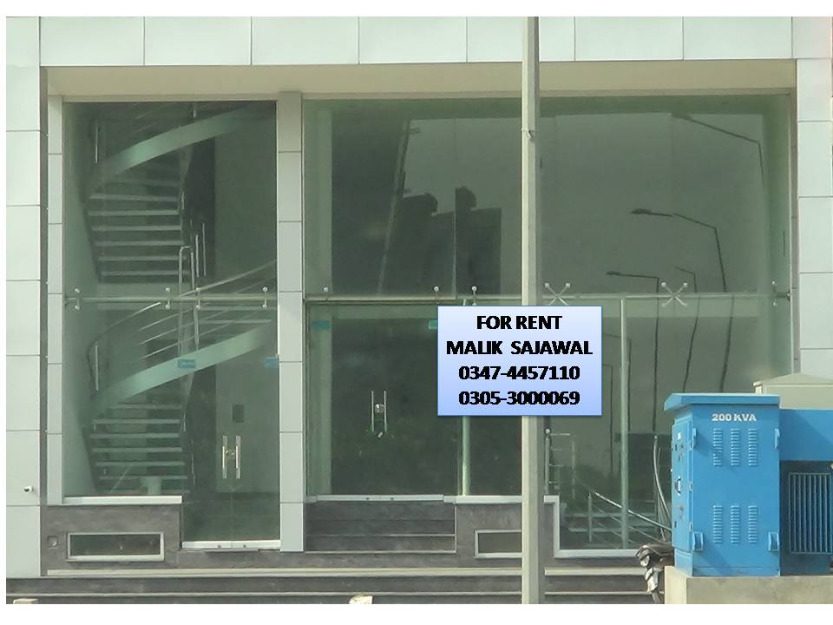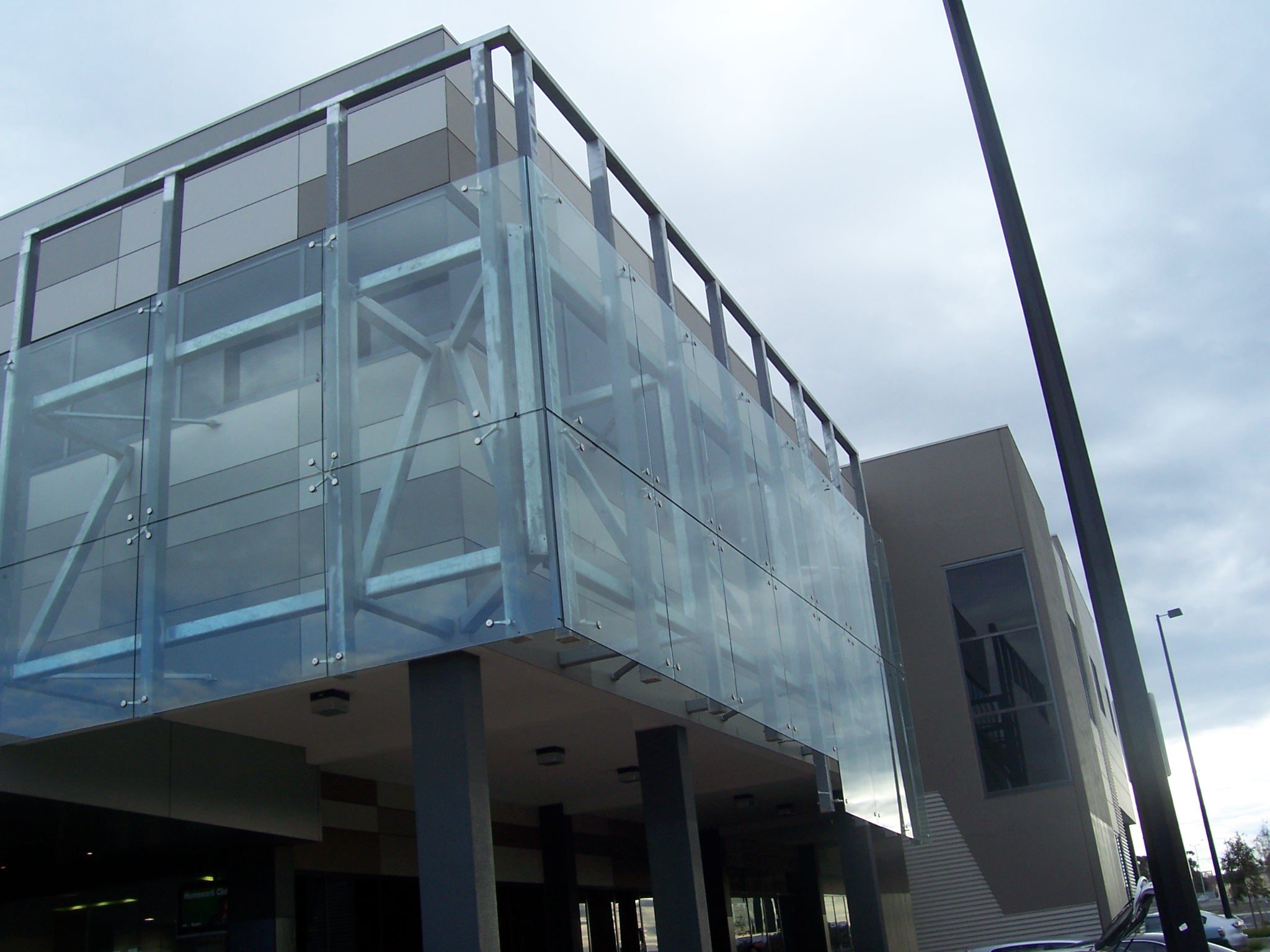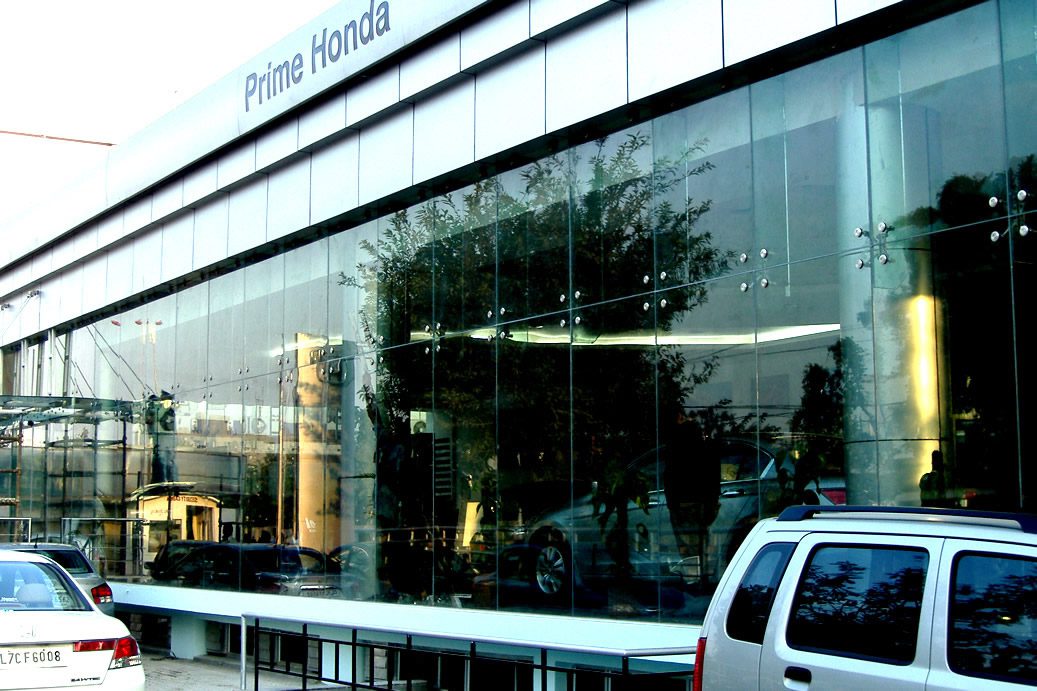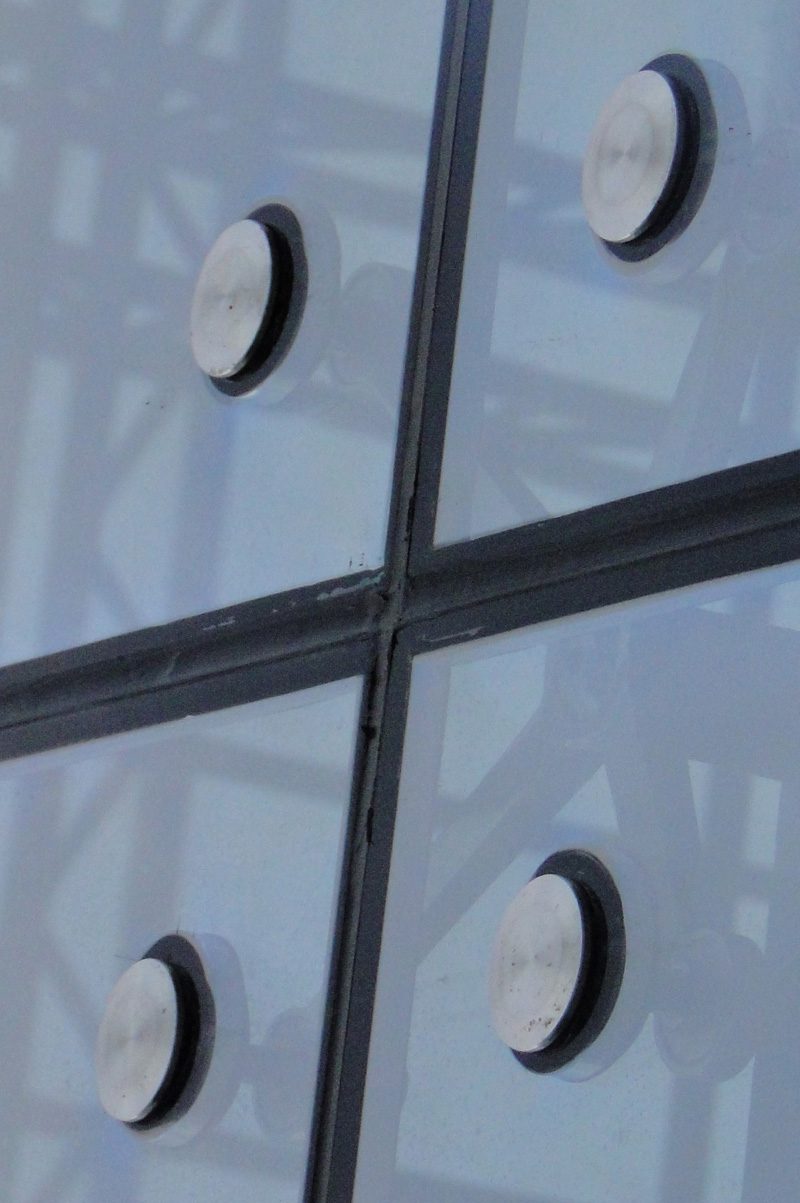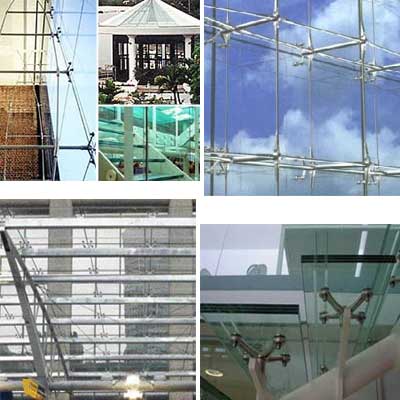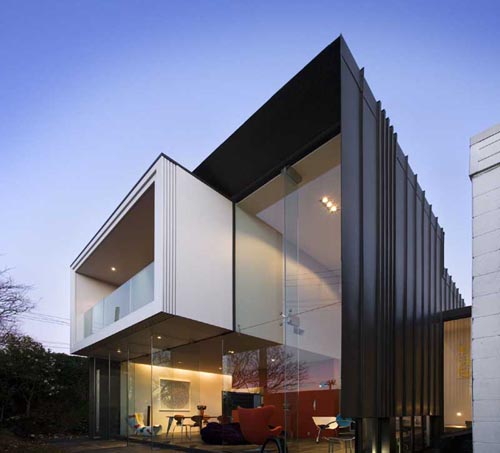

Modern commercial buildings increasingly use glass facades to create transparent, elegant, and contemporary architecture. One of the most advanced solutions used in these facades is the glass spider fitting system, which supports large glass panels without heavy frames.
Architects and structural engineers prefer spider glazing systems because they create frameless glass walls, maximum visibility, and modern building aesthetics.
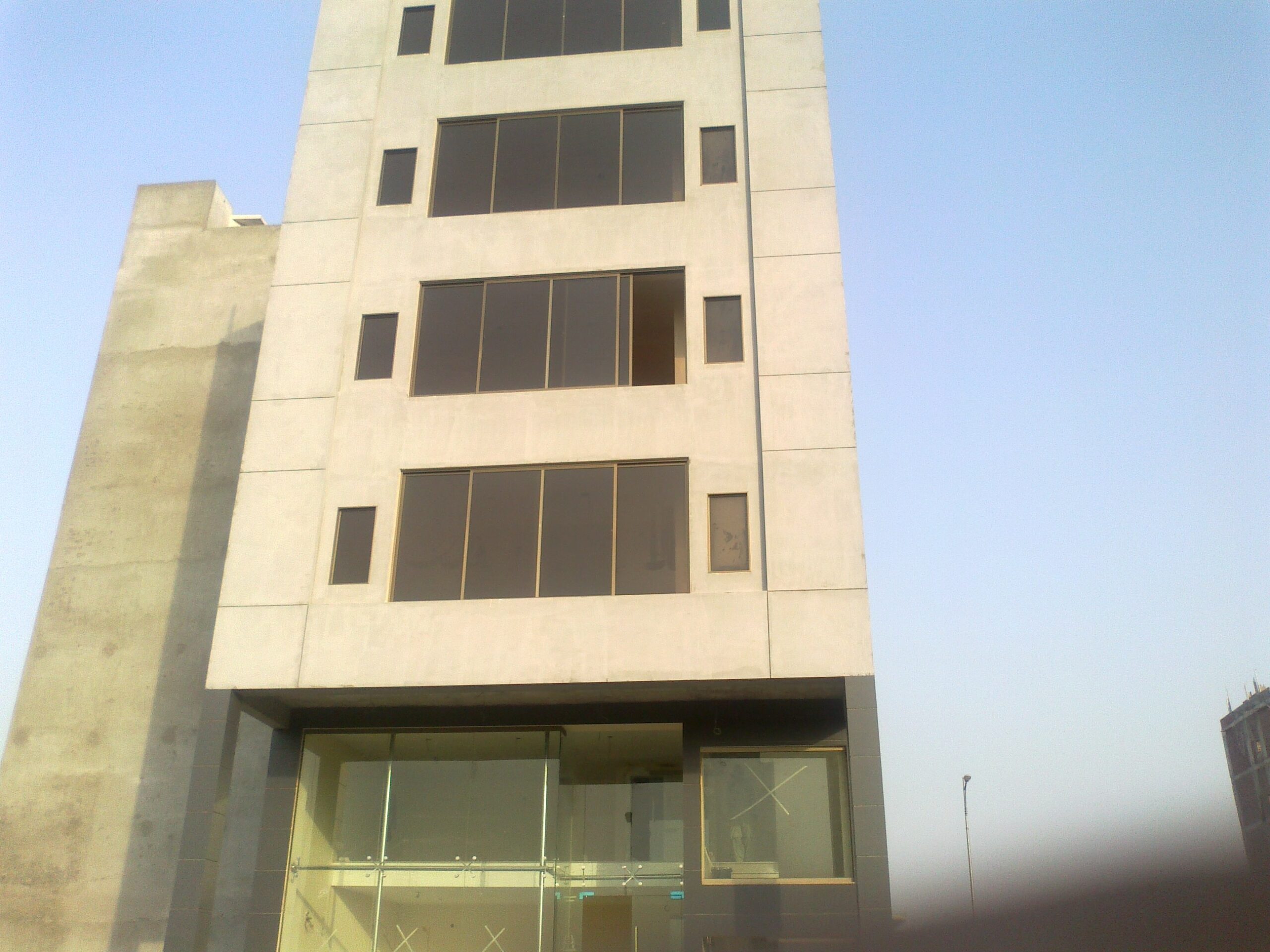
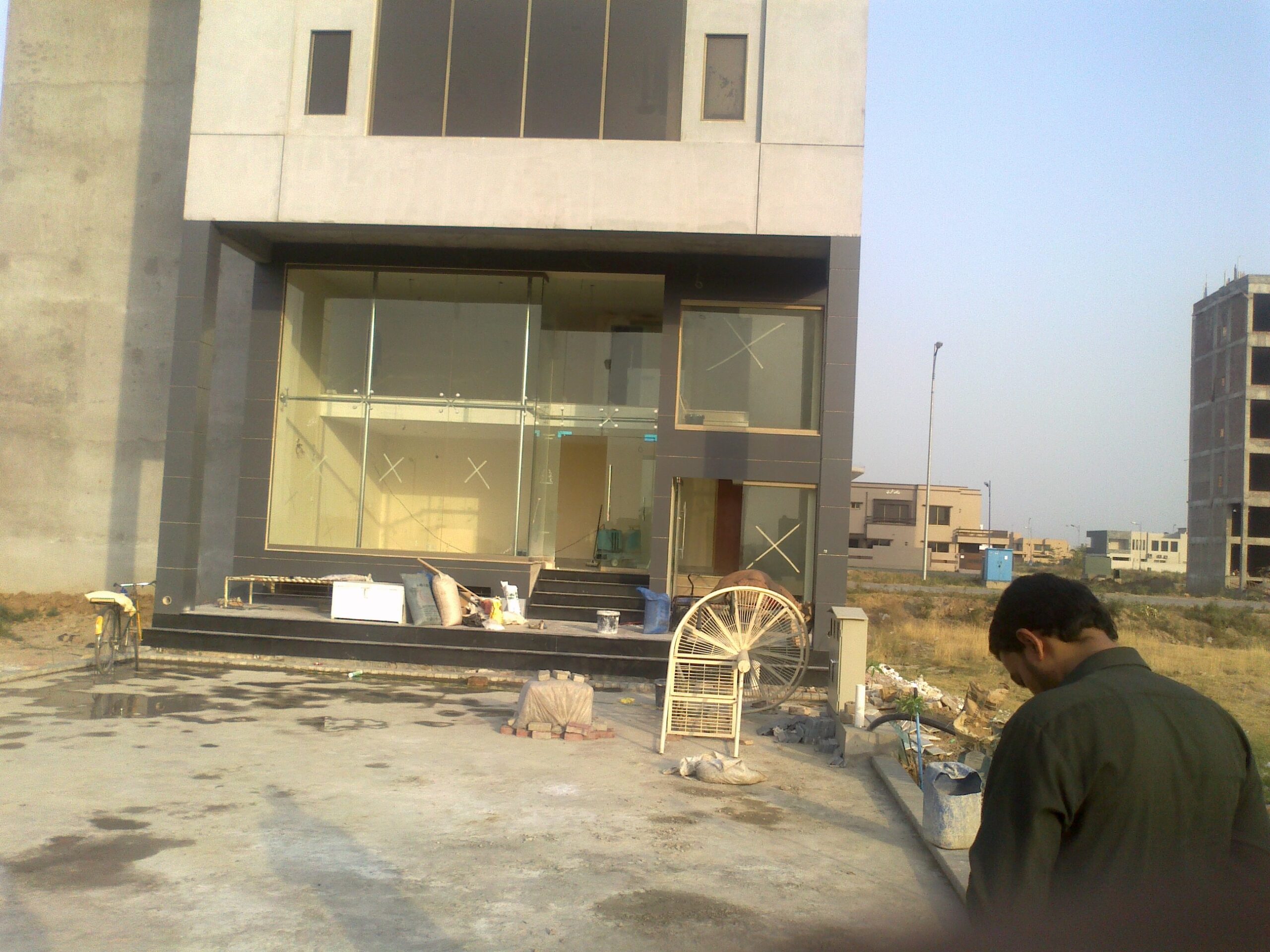
In Pakistan, many commercial buildings, offices, shopping malls, and showrooms now install glass spider fitting systems to create attractive glass entrances and curtain walls.
If you search for glass spider fitting Pakistan, you likely want:
a spider glass facade for buildings
a modern structural glass spider system
frameless glass walls for offices or commercial spaces
professional spider glass fitting installation in Lahore
This guide explains how spider glass systems work, types of spider fittings, installation methods, advantages, and commercial applications.
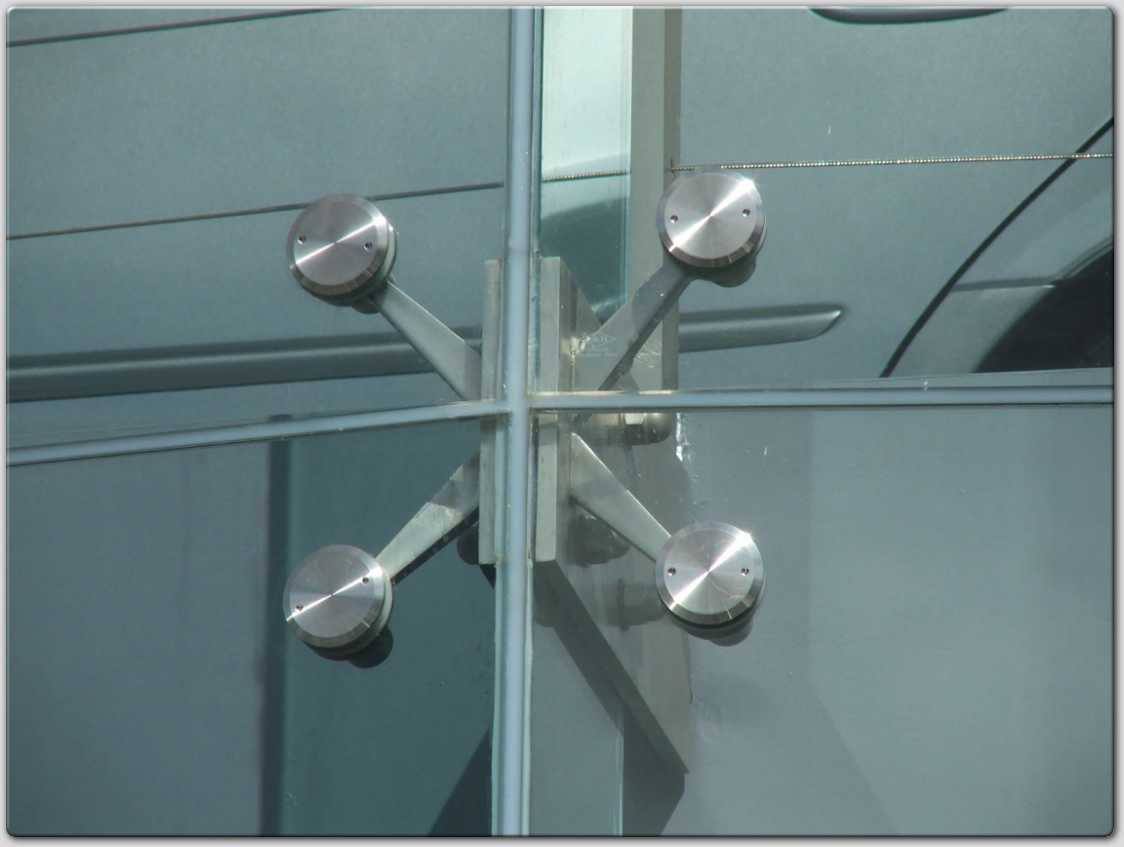
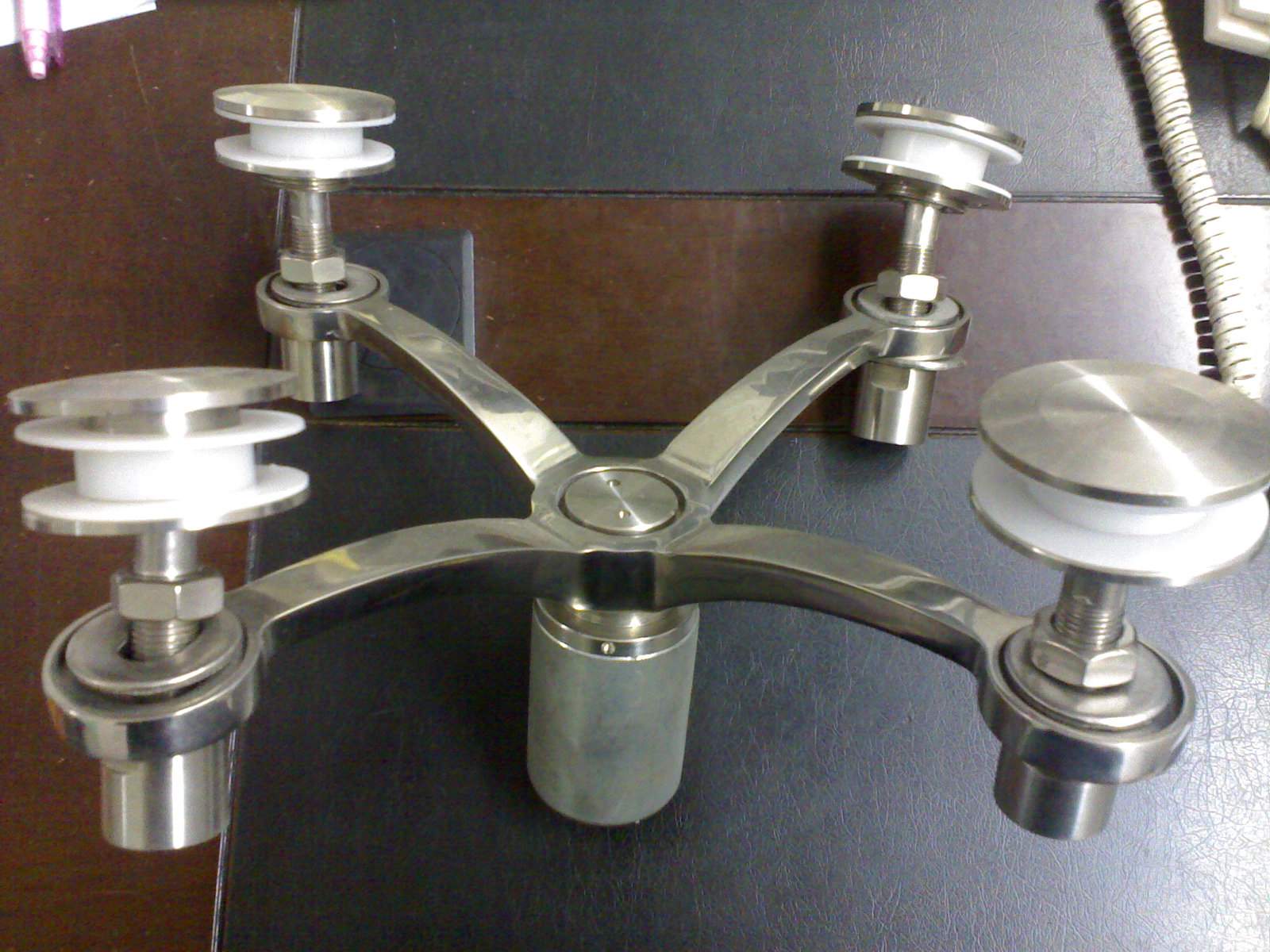
A glass spider fitting system is a structural glass support mechanism that holds glass panels using stainless steel connectors called spider fittings.
Instead of traditional frames, spider fittings connect the glass panels to steel structures, columns, or cables.
| Component | Function |
|---|---|
| Spider Fittings | Stainless steel connectors that hold glass panels |
| Tempered Glass Panels | Structural glass used for facades |
| Structural Support Frame | Steel or aluminum framework behind glass |
| Bolts and Connectors | Secure the glass to spider fittings |
| Sealants | Prevent water and air leakage |
These components form a structural spider glass wall system that allows architects to design large transparent building facades.
Next, understanding how spider glazing systems work helps explain their structural benefits.
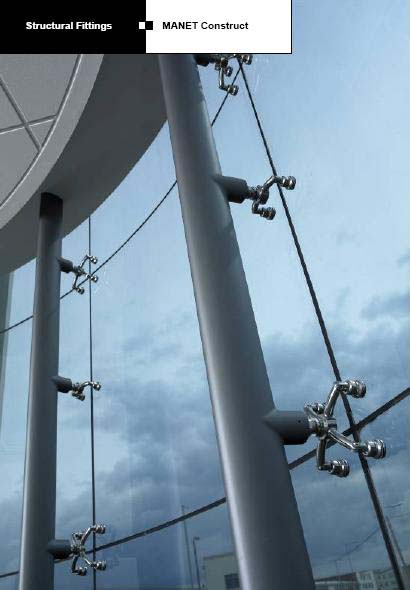
The spider glazing system distributes the weight of glass panels through stainless steel spider connectors.
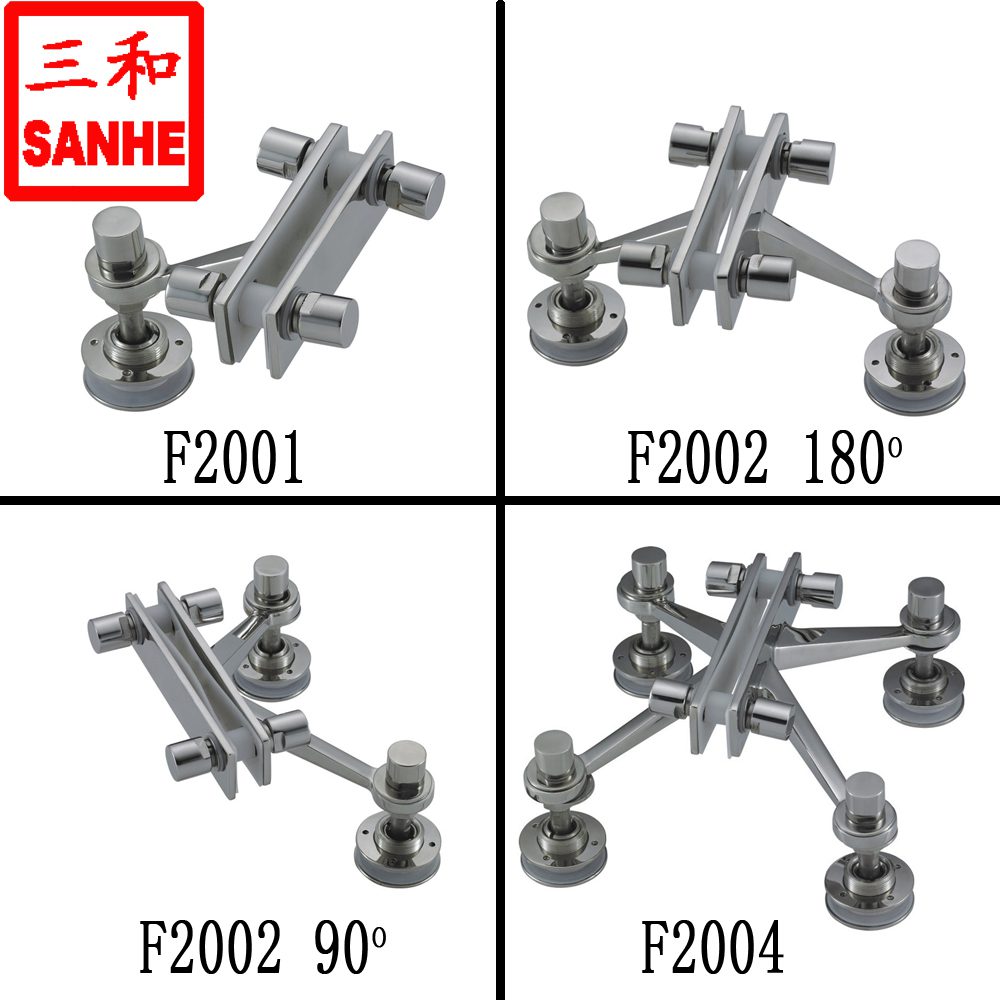
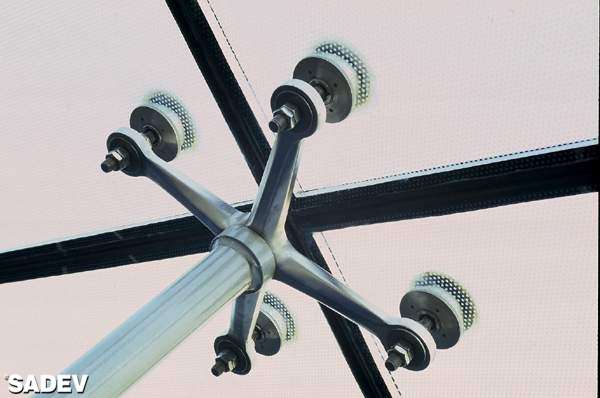
Each spider fitting typically has two, three, or four arms, which attach to glass panels through drilled holes.
Glass panels are drilled at specific points
Spider fittings attach to these drilled holes
Steel brackets connect spider fittings to the main structure
Load transfers from glass panels to the structural frame
This engineering method creates a frameless glass wall system with strong structural stability.
Spider glazing allows buildings to achieve transparent architectural design without heavy window frames.
Different spider fittings are used depending on the structural requirements of the glass facade.
Two-arm spider fittings connect two adjacent glass panels.
glass entrances
corner glass walls
small glass facades
These fittings are widely used in commercial glass spider fitting systems.
Three-arm spider fittings connect three glass panels at junction points.
corner sections of facades
glass atrium structures
They help maintain structural balance in spider glass curtain walls.
Four-arm spider fittings connect four glass panels at the center intersection.
strong structural support
evenly distributed load
ideal for large glass facades
Most spider glass curtain wall systems use four-arm fittings.
Spider fittings are usually manufactured from high-grade stainless steel.
corrosion resistant
high tensile strength
long lifespan
polished aesthetic finish
Most modern buildings use stainless steel spider fittings because they withstand outdoor weather conditions.
A spider glass curtain wall is a non-load-bearing outer wall attached to a building structure.
The curtain wall protects the building from weather while creating a transparent exterior appearance.
frameless glass panels
stainless steel spider connectors
structural support through steel frames
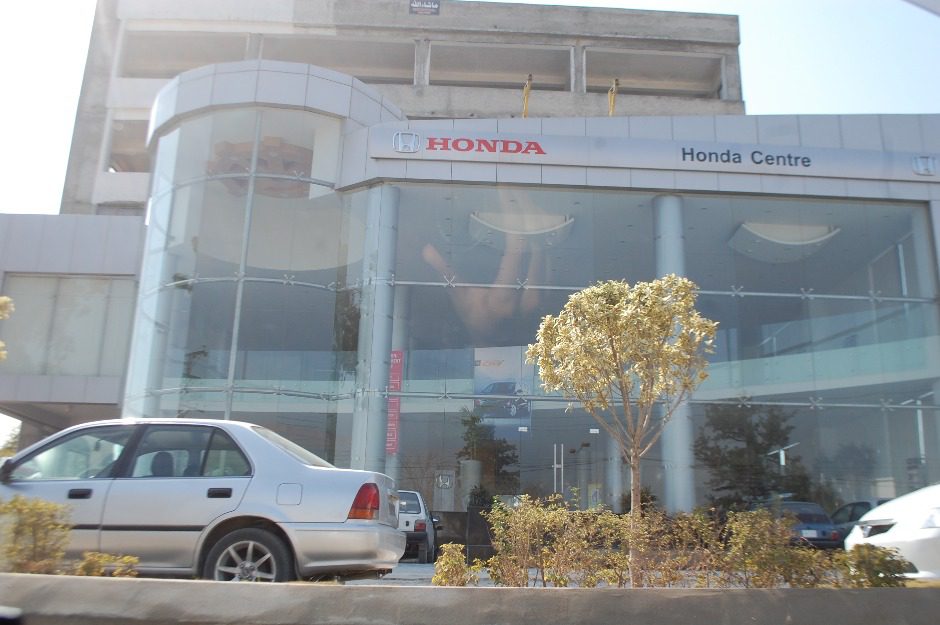
Spider curtain walls are commonly used in shopping malls, corporate buildings, airports, and luxury hotels.
A structural glass spider system allows buildings to use large glass panels without traditional window frames.
minimal structural visibility
maximum daylight penetration
modern architectural appearance
Engineers calculate wind load, glass thickness, and structural support to ensure safety.
This system is widely used for large building facades and glass entrances.
Frameless glass systems are one of the biggest advantages of spider glazing technology.
Unlike traditional window systems, frameless spider fittings hold glass panels at point connections instead of full frames.
unobstructed exterior view
elegant architectural design
modern commercial building appearance
This design style is popular in modern commercial architecture worldwide.
A spider glass facade is the outer glass wall of a building supported by spider fittings.
shopping malls
office towers
banks
airports
hotels
corporate headquarters
These buildings use spider glass facades because they create a premium and modern visual appearance.
Commercial buildings require durable and visually appealing exterior structures.
The commercial glass spider fitting system supports large glass panels while maintaining architectural transparency.
modern building appearance
improved natural lighting
strong structural stability
high-end architectural value
Commercial architects prefer spider systems because they combine structural performance with modern design.
A spider fitting glass wall is an interior or exterior wall made from glass panels connected through spider fittings.
office partitions
showroom displays
hotel lobbies
shopping mall entrances
These walls create open and visually spacious environments.
Professional installation ensures safety and structural accuracy.
Structural frame design and fabrication
Precise measurement of glass panels
Drilling holes in tempered glass
Installation of spider fittings
Mounting glass panels to fittings
Sealing and final structural inspection
A typical spider glass fitting installation in Lahore requires 2–5 days depending on project size.
Proper engineering ensures the glass facade can withstand wind pressure and structural loads.
Spider glazing offers several advantages compared with traditional glass facade systems.
Spider systems create sleek and contemporary building exteriors.
Many modern skyscrapers use spider glazing to achieve minimalist architectural aesthetics.
Glass spider facades allow large amounts of natural daylight to enter the building.
This reduces reliance on artificial lighting and improves indoor environment quality.
Tempered glass and stainless steel spider fittings create strong structural connections.
These systems withstand:
wind pressure
structural movement
environmental stress
Frameless spider glazing creates a clean and transparent building exterior.
This design improves brand visibility for commercial buildings.
Many architects compare spider glazing with traditional aluminum curtain wall systems.
| Feature | Spider Glass System | Traditional Curtain Wall |
|---|---|---|
| Frame Visibility | Frameless | Visible aluminum frames |
| Aesthetic Appearance | Modern and transparent | Conventional |
| Natural Light | Maximum | Moderate |
| Structural Design | Point-supported glass | Framed system |
Due to these advantages, spider glazing has become popular in modern commercial architecture.
The price of spider glass systems depends on several factors.
glass thickness
stainless steel spider fittings
facade size
structural support design
installation complexity
| System Type | Estimated Price |
|---|---|
| Basic Spider Glass System | PKR 3,500 – 6,000 per sq ft |
| Commercial Spider Facade | PKR 6,000 – 10,000 per sq ft |
| Premium Structural Glass System | PKR 10,000 – 15,000 per sq ft |
Prices vary depending on design requirements and material quality.